
Introduction
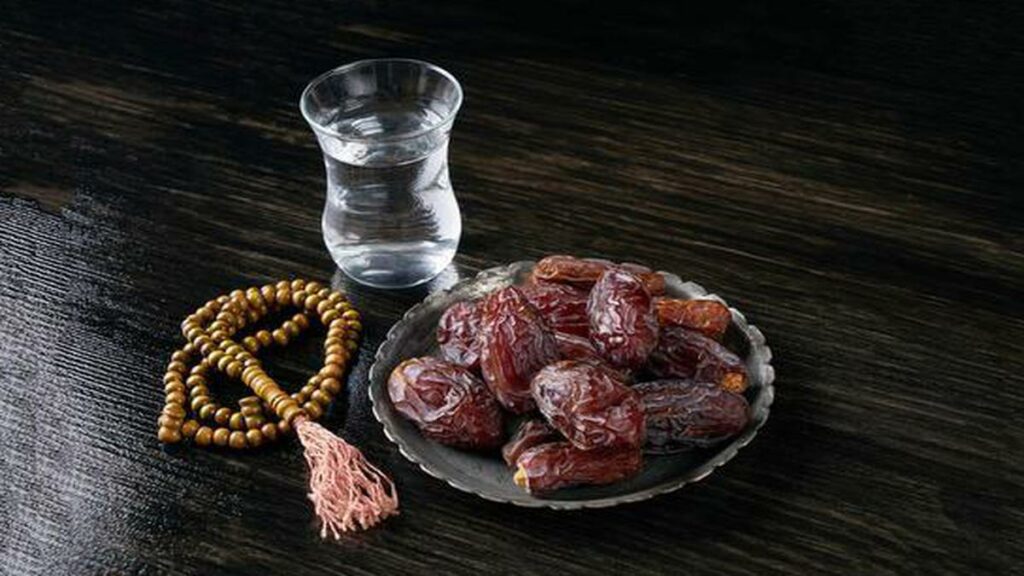
Buah kurma sells differently in the weeks before a festive season than it does the rest of the year. The volume doesn't just go up — the format changes. Daily-eating packs give way to gift boxes, presentation grade suddenly matters more than raw sweetness, and buyers who never asked about origin before start asking exactly that. This shift is what drives the demand spike around Ramadan, Hari Raya, Chinese New Year and year-end hampers, and it's worth understanding if you're buying dates fruit in Malaysia for anything more than snacking.
Why the demand curve bends around festive dates
Ramadan moves about 11 days earlier every year on the Gregorian calendar, so retailers can't just repeat last year's order. A February Ramadan pulls stock forward against cooler shipping conditions; a June Ramadan competes with school holidays for warehouse and delivery capacity. Hari Raya Haji, Chinese New Year and year-end gifting each add smaller, more predictable bumps on top. Suppliers who plan against the actual lunar date — not a rough "March-ish" guess — get first pick of the good harvest lots before the rush.
Presentation grade becomes the real product
Outside festive season, most buyers want good taste at a fair price and don't care how the dates look sitting in a box. During gifting season that flips. A tray of dates going into a corporate hamper or a family visit needs uniform size, unbroken skin and a clean glossy finish — the same fruit that would be perfectly fine loose in a bag gets rejected for a gift tray if even a handful look shrivelled or split. This is why premium grades like higher-grade Medjool and grade-A Mariami move faster in this window than mid-grade stock, even at a noticeably higher price per kilo.
What actually separates a gifting-grade batch
Three things, in order of what buyers notice first: size consistency (a mixed-size tray reads as "leftover stock"), skin condition (no sugar crystallisation patches, no splitting), and how recently the batch was packed — dates packed months ago lose the soft, glossy look even if they still taste fine. None of this shows up in a nutrition label; it only shows up if you actually open the box before committing to a bulk order.
Packaging cost is part of the price jump
Part of the seasonal price increase isn't the fruit at all — it's the box. Rigid gift boxes, printed sleeves and ribboned trays cost more per unit than a plain poly bag, and demand for that packaging spikes at exactly the same time as demand for the dates themselves, so both go up together. A buyer comparing "last month's price" to "this month's price" on the same variety is often comparing loose-pack pricing to gift-pack pricing, not a real like-for-like increase.
How to buy through the spike without overpaying
Order presentation-grade stock 4-6 weeks ahead of the festive date rather than the week before — that's when suppliers still have full pick of size-graded lots. Ask for the pack date, not just the harvest date; a batch packed two weeks ago will hold its look through a month of gifting season, one packed two months ago won't. And check how grading actually affects price before assuming the most expensive box is automatically the best one — sometimes it's just the box.
Beyond the two big dates
Chinese New Year and year-end hampers pull real volume too, mostly toward imported premium varieties rather than the everyday local mix, since gift-giving across these occasions favours something that reads as a treat rather than a pantry staple. Buyers stocking for both a Ramadan rush and a year-end hamper season effectively run two separate ordering cycles a year, each with its own lead time and grading needs — worth planning for the second one before the first one is even over.