
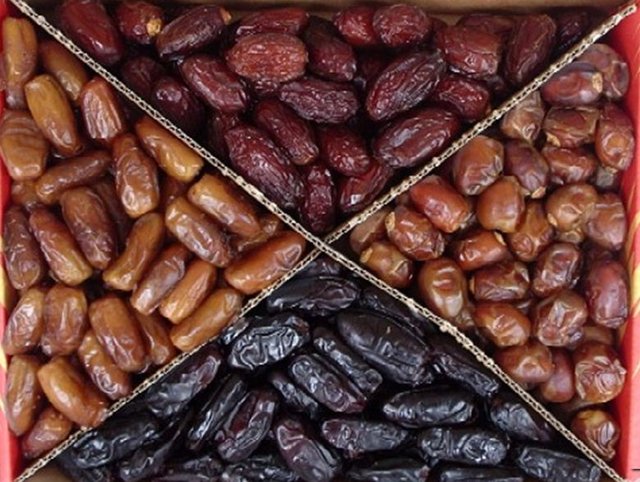
Mariami is a soft date, and that changes the compliance picture
Not every date variety carries the same safety risk in storage. Mariami, grown in Iran, is a softer, moister date than something like Deglet Noor — closer in texture to a fresh fig than to a dry snack — and that texture is exactly why it needs different handling than the drier varieties most food-safety checklists are written around.
Moisture is the real hazard, not time on the shelf
A dry date like Zahedi can sit at room temperature for weeks with little change. Mariami cannot. Its higher moisture content is what gives it that soft, almost caramel-like bite, but it is also what makes mould and fermentation set in faster once the fruit is exposed to warm, humid air. The white bloom sometimes seen on the skin — sugar crystallising as the fruit dries slightly — is normal and not a safety issue on its own. Grey-green fuzz, or a sharp alcoholic smell, is a different story and means the batch should not be eaten or resold.
Why packaging choice matters more here than on drier varieties
Vacuum-sealed packs slow down moisture loss and keep out ambient humidity, which suits Mariami's higher moisture content well. Loose Mariami sold from an open tin or tray looks appealing but is exposed to whatever humidity the shop itself has that day — fine in an air-conditioned store, riskier in an open-air stall in humid weather. A pemborong kurma (date wholesaler) sourcing Mariami specifically will usually specify vacuum or nitrogen-flushed packaging for exactly this reason, rather than leaving it to whatever the retailer prefers.
Storage once it is in your kitchen
Refrigeration extends Mariami's shelf life meaningfully more than it does for drier varieties, precisely because cold slows the same moisture-driven spoilage that room temperature accelerates. Once a vacuum pack is opened, moving the remainder to an airtight container in the fridge — rather than resealing the original bag with a clip — keeps humidity out more reliably. Dates left in a warm kitchen cupboard through a Malaysian afternoon will not spoil in a day, but Mariami will show it sooner than Deglet Noor would.
Buying it with the moisture risk in mind
Check that any Mariami purchase — loose or packaged — feels soft but not wet, with no visible condensation inside the packaging. A little moisture on the surface is normal for this variety; pooled liquid or a sticky, matted clump is not. For readers comparing Mariami against other options before buying, Kurma Mariami AA: incorporating dates into cuisine beyond sweet treats covers how the variety's softness is actually a strength once you know how to store it, and decoding harga kurma explains why softer, higher-moisture varieties are graded and priced differently from drier ones. Buyers ordering in volume should also see the wholesale dates pricing guide before placing a bulk Mariami order, since moisture-related shrinkage affects wholesale margins more on this variety than on drier stock.