
Mariami dates: what makes this Iranian variety different
Mariami is one of the softer Iranian date varieties sold in Malaysia, and it's often confused with Piarom by shoppers who haven't tried both side by side. The two come from overlapping growing regions but behave differently once they reach a Malaysian shelf.
Origin and appearance
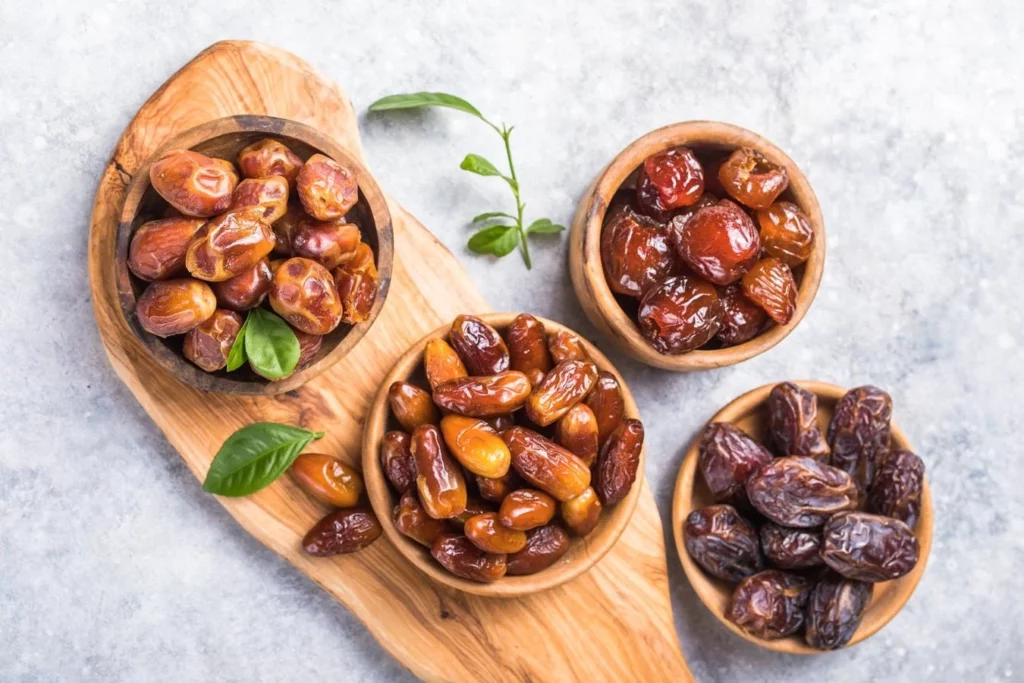
Mariami dates are grown mainly in Iran's southern provinces, in a drier climate than Malaysia's coastal date-growing pockets in Perlis and Kedah. The fruit is small to medium, dark brown with a slightly wrinkled skin, and noticeably softer than Ajwa or Safawi straight out of the box.
Texture and taste
The texture is what buyers usually remember — dense, almost fudge-like, with less chew than Medjool and a sweetness that leans caramel rather than the drier, more floral note common in Deglet Noor. It's a variety better suited to eating on its own than to baking, where firmer dates hold their shape better.
Why it needs careful storage
Because Mariami has higher moisture content than harder varieties, it's more prone to sticking together in the box and to mould if stored somewhere warm and humid. Suppliers who keep it refrigerated rather than at room temperature are protecting the fruit, not just following procedure — this is worth asking about before buying in bulk.
Where it sits in the Malaysian market
Mariami tends to sell at a mid-tier price point, above Sayer but below Medjool, which makes it a common choice for everyday consumption rather than gifting. Buyers looking for something firmer for hampers usually move to Safawi or Ajwa instead, while Mariami stays the household staple.
For a comparison against a firmer premium variety, this Medjool supplier guide is a useful reference point.