
This description of dwarf hamsters starts with food, because the way a dwarf hamster finds, carries and stores food explains a lot about how it should be kept. The care advice below comes from the RSPCA, and the behaviour comes from a handful of laboratory studies on Campbell's dwarf hamster and on the Siberian hamster, which researchers also call the Siberian dwarf hamster (Phodopus sungorus).
Which hamsters count as dwarfs
The RSPCA names five hamsters most commonly kept as pets. Two are the Syrian and the Chinese. The other three are dwarfs: Campbell's Russian dwarf, the winter white dwarf and Roborovski's dwarf. All of them belong to the family Cricetidae, which holds 24 species of hamster, and the charity says they usually live for up to two years.
In the wild, hamsters are burrow-digging rodents of dry, rocky plains and lightly vegetated slopes. They nest inside their burrows, they are mostly active at dusk and through the night, and the RSPCA says a wild hamster can run up to five miles a day. One difference between the dwarfs and the Syrian is company. Syrian and Chinese hamsters should live alone, while dwarf hamsters can sometimes live in pairs or trios with the right care.
A name that means "to hoard"
The RSPCA points out that the word hamster comes from the German hamstern, to hoard. Hamsters carry food in their cheek pouches and take it back to the nest. The striking figure the charity gives, up to half the body weight in food, is for the Syrian hamster. It does not give a figure for the dwarfs.
Lab work on dwarfs shows the same habit. In a 2010 study from the University of Alaska Anchorage, Campbell's dwarf hamsters were trained to press a lever for food pellets. Most of the pellets they earned went into their cheek pouches instead of being eaten on the spot. The same study found that their lever-pressing tailed off more slowly within a session when the pellet flavours varied than when every pellet tasted the same.
In Siberian hamsters, going without food affects storing more than eating. A 2005 Georgia State University paper notes that fasting makes them forage and hoard more while doing relatively little to change how much they eat.
The burrow as a place to share news
For dwarfs, a stash also carries information. In a 2003 study, Campbell's dwarf hamsters met another hamster that had just eaten a flavoured food. Afterwards they preferred that same flavour. Video of the meetings showed the dwarfs investigating the food their companion had hoarded, which the adult golden (Syrian) hamsters in the study did not do.
A 2009 study from the University of Alaska Anchorage trained dwarf hamsters to find foods at fixed spots in an open field. Then their mates were let out to eat and hoard the day's food. The food a mate carried home told the hamster where to look, and the subjects generally went to that patch. The authors suggest dwarf hamster burrows could work as information centres.
What the hoarding habit means for the cage
The RSPCA's housing advice reads differently once you know about the stash. It asks for a nesting box big enough for the hamsters to set up a larder, sleep and move around comfortably. The box should be dark inside and placed near the food and nesting material. It should be kept away from the water bottle, so a leak cannot flood the larder. A box without a floor lets you check on the hamsters just by lifting it.
Underneath, the cage floor should be solid, with bedding deep enough to dig in and, if possible, an area of litter deep enough to burrow. Dust-free wood shavings or granulated corn-cob, free of preservatives, are the RSPCA's compromise. Good nesting materials are hay, wood wool, shredded paper or cardboard. Avoid anything fluffy that separates into thin strands. Plastic cages are better than metal, wooden cages should not be used, and wire mesh floors can lead to foot problems.
The larder is also why cleaning takes some thought. The RSPCA suggests spot cleaning every few days to remove soiled bedding, uneaten food and droppings, and a deep clean once or twice a month in most cases. Do it while the hamsters are awake, not in the middle of the day. Put back a small amount of old, unsoiled bedding, because smell matters a great deal to hamsters.
Feeding that works with the habit
The RSPCA's diet page lists a compound pellet ration or a seed mix made for hamsters, small amounts of greens, cleaned root vegetables, and pieces of fruit such as apples. It says not to give grapes or rhubarb, as these can be poisonous to rodents. Fresh water should always be available, preferably from a bottle with a valveless sipper tube, and the bottle should be checked every day for leaks or blockages.
The page says food can be served in flat dishes on the cage floor, but it can also be scattered or hidden around the cage to prevent boredom and encourage natural foraging. It warns against sudden changes of diet and stale food. If a hamster starts eating less, or its droppings become moist, the advice is to talk to a vet straight away.
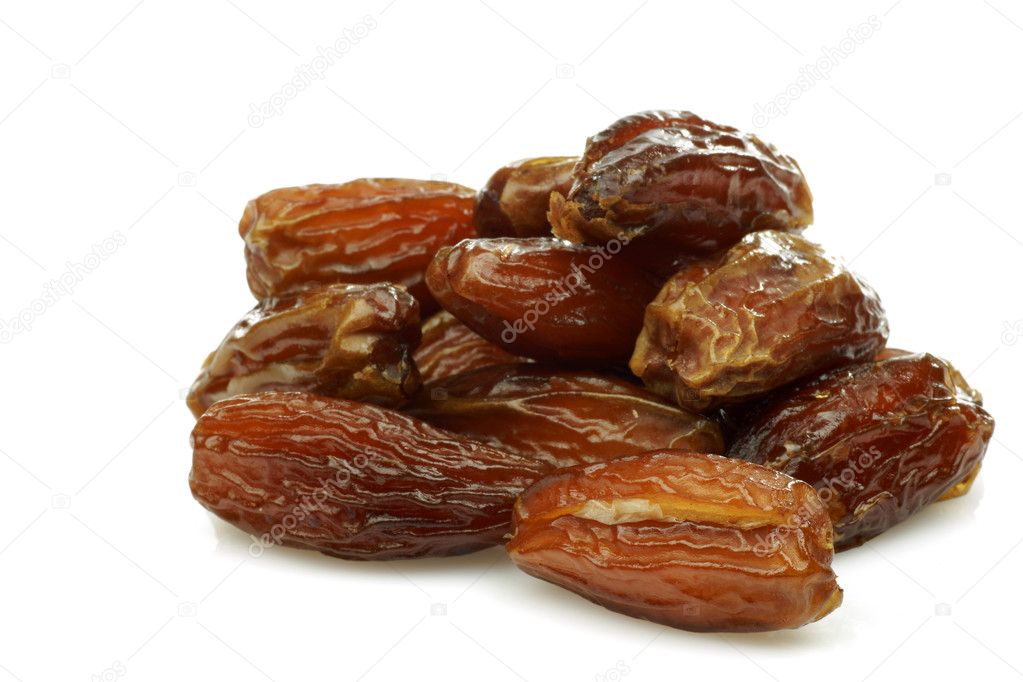
Dates are not on the RSPCA list, and the charity does not say whether hamsters can have them. This site is about dates for people, so it does not suggest them for a hamster. If you want to offer anything outside the RSPCA list, ask a vet first.
Handling and the daily routine
Hamsters need to sleep undisturbed during the day, and they need lights that go off at roughly the same time each night. The RSPCA also asks owners to keep the cage away from televisions, computer screens, vacuum cleaners and running water, because these give off ultrasound that hamsters find stressful. A large, solid, axle-free wheel helps with exercise, but it should not be the only enrichment in the cage.
Let the hamster sniff your hands in its own time. Then pick it up by cupping it in both hands and hold it only a few inches above a table or other stable surface. Do not wake a sleeping hamster to handle it unless you really have to. A short session every day suits them better than long sessions only at weekends.
About this site
Kurma Mariami writes about dates, not pets. This guide sits on our blog for readers who arrived looking for hamster care. For dates, see the Pemborong Kurma Green Diamond link, read about Kurma Mariami, or send a question through the contact page. You can find more articles on the Kurma Mariami blog.