
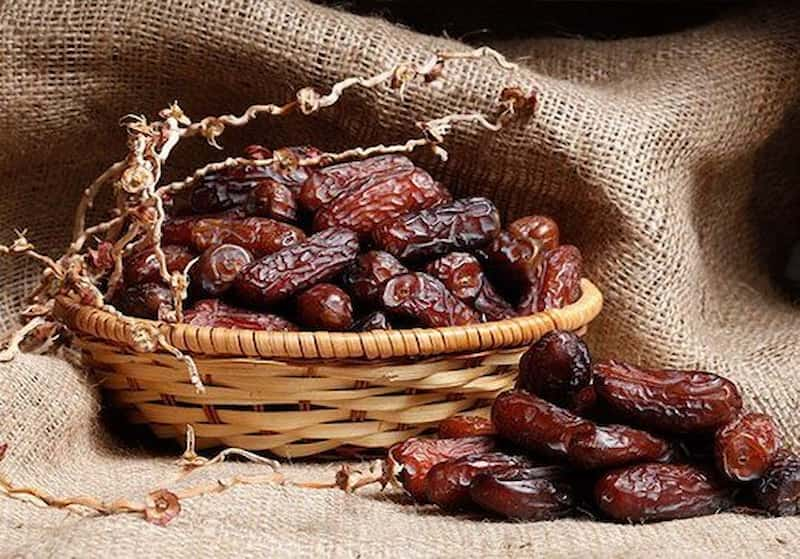
Why Mariami dates cost what they do in Malaysia
Mariami is an Iranian date, and what you pay for it here depends on a few things you can check yourself: where it comes from, which grade you are buying, the pack size, and when you buy. Each of these sets part of the Harga Kurma Di Malaysia you see on a shelf or a price list.
Iranian origin and what that means for cost
Mariami comes from Iran. That puts it on a different import route from Ajwa, which is grown in Saudi Arabia, or Medjool, which comes mostly from Palestine and Jordan. Each origin has its own suppliers, its own harvest calendar and its own shipping costs. Most Mariami reaches buyers through importers and distributors, so the shelf price of dates in the Malaysian market includes freight and each seller's margin as well as the fruit itself.
Grade and pack size
Mariami is sold in grades, commonly A, AA and AAA, and the higher grades cost more. The grade should be printed on the box or stated on the listing. Pack size matters too: 1kg boxes and 5kg cartons are priced differently per kilo. So two packs both labelled "Mariami" can be priced quite differently for a good reason. They are different products.
How it compares to Ajwa and Medjool
Each variety is priced on its own grade scale, so a high grade of one can cost less than a lower grade of another. A comparison between varieties only works grade for grade and kilo for kilo. Prices also move separately: when the supply of dates from one origin tightens, that variety gets dearer without the others necessarily following.
Where to check current pricing
Because the price depends on grade, pack size and timing, compare a current listing rather than a price you saw months ago. Our piece on Medjool date pricing is a useful comparison point if you are deciding between the two, and the roundup of Malaysian and imported kurma covers where Mariami sits against other choices.
What to check before you buy
Ask the seller which grade a batch is, and check that the label names Mariami, gives Iran as the country of origin, and carries a packing or expiry date. A box that only says "kurma" with no variety or grade is hard to compare with anything. A buyer who does not ask can end up comparing prices across two different products without realising it.
Buying for daily use versus stocking up
Plenty of households eat dates all year, not only in Ramadan. If that is you, a larger pack usually brings the price per kilo down, as long as you can store it well: an airtight container in a cool, dry place, or the fridge if the kitchen is warm. Demand for every variety rises before the fasting month, so buying a few weeks early means more choice of grades and pack sizes.
Current Mariami stock, grades and prices are listed on the dates shop.