
Nutrition tables give calcium per 100g, but a meal is not put together in 100g blocks. You pour a cup, cut a slice, open a can, take a date from the box. This article turns the calcium figures into those everyday measures, so you can add up a day's meals without a scale. The daily target is the NHS one. The food values come from USDA FoodData Central, which also lists the gram weight of a cup, a slice or a single date for each food. All the records used are SR Legacy, last updated in 2019.
The target
According to the NHS, adults aged 19 to 64 and over need 700mg of calcium a day, and you should be able to get all of it from your daily diet. Its list of sources includes milk, cheese and other dairy foods; green leafy vegetables such as curly kale and okra, but not spinach; soya drinks with added calcium; bread and anything made with fortified flour; and fish where you eat the bones, such as sardines and pilchards.
Calcium by the cup, slice and piece
| Measure (USDA gram weight) | Calcium |
|---|---|
| A quarter block of firm tofu made with calcium sulfate (81g) | about 553mg |
| 1 can of Atlantic sardines in oil, with bone (92g) | about 351mg |
| 1 cup of unsweetened soymilk with added calcium (243g) | about 301mg |
| 1 cup of plain whole-milk yoghurt (245g) | about 296mg |
| 1 cup of whole milk (244g) | about 276mg |
| 1 slice of cheddar (28g) | about 199mg |
| 8 raw okra pods (95g) | about 78mg |
| 23 almonds (28g) | about 76mg |
| 1 tablespoon of tahini (15g) | about 64mg |
| 1 cup of raw kale (21g) | about 53mg |
| 1 slice of white bread (29g) | about 42mg |
| 1 large egg (50g) | about 28mg |
| 1 Medjool date, pitted (24g) | about 15mg |
| 1 prune, pitted (9.5g) | about 4mg |
| 1 Deglet Noor date, pitted (7.1g) | about 3mg |
Read down the column and the shape of a calcium meal is clear. Five single measures, the tofu, the sardines and a cup of soymilk with added calcium, yoghurt or milk, each cover more than a third of the 700mg. A slice of cheddar is not far behind. Below that, everything is a top-up. The kale cup looks small only because a cup of loose raw leaves weighs just 21g; per 100g, kale has 254mg.
Adding up one day by the measure
Breakfast is a cup of yoghurt with two Medjool dates chopped into it, about 327mg. Lunch is a cheese sandwich, one slice of cheddar between two slices of white bread, about 282mg. Dinner has a cup of raw kale and eight okra pods on the side, about 131mg. The day lands near 741mg, and it took no weighing at all, only counting.
The NHS also points out that taking high doses of calcium, more than 1,500mg a day, could lead to stomach pain and diarrhoea. A day like this one is about half of that line.
Counting dates
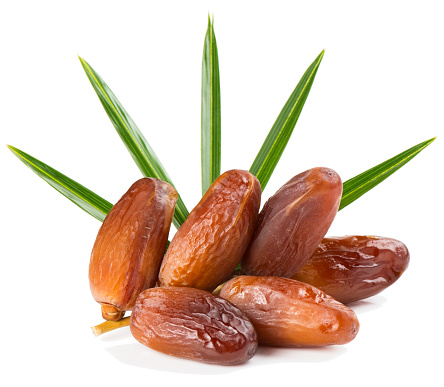
One pitted Medjool, at 24g, gives about 15mg. To match a single cup of milk you would eat about 18 of them, roughly 430g of fruit. Deglet Noor, the golden, semi-dry date from Tunisia and Algeria, is a much smaller fruit at 7.1g pitted, so it would take about 100 of them. Neither is a calcium food.
Mariami, the dark, semi-dry, chewy date from Iran that this site is named after, has no entry in USDA FoodData Central. A search for it there returns nothing, so this article gives no calcium figure for it rather than borrowing one from another variety.
Dates still belong in the meal for their sweetness. The NHS counts a 30g portion of dried fruit, dates included, as 1 of your 5 A Day, and says it should be eaten at mealtimes, not as a snack between meals, to reduce the impact on teeth. Stirring them into the breakfast yoghurt does exactly that.
The link to Kurma medjool Malaysia, an outside site, was already in this post and is kept. Kurma Mariami Malaysia supplies consumers, retailers and traders across the country with fast nationwide delivery, as its about us page says. For questions or orders, the WhatsApp number is on the contact page.
The figures in this post are general nutrition information, not personal advice. A GP or dietitian can help with an individual diet.