
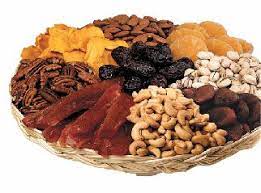
Which dried fruit actually survives a gift hamper
Festive hampers get packed with a mix of dried fruit, but not every type holds up to being boxed, stacked and handed around for a week. Some look untouched after sitting on a shelf; others sweat through the cellophane by day three.
Dates travel the best of the group. A well-dried Mariami or Safawi keeps its shape and colour under wrapping, doesn't stain the box, and still looks presentable after days of handling — which is exactly why they anchor most Raya and year-end hampers. Festive-season demand for dates spikes every year for this reason: they're the one item guaranteed to still look good when the box is opened.
Figs don't travel as well. They're sticky by nature, and in a sealed hamper that stickiness picks up dust and lint from packaging material — fine if eaten within a day or two, less appealing after a week in transit. If you're including figs, individual wrapping matters more than it does for dates.
Raisins are the safest filler item — light, don't stain, and rarely go off during a normal hamper's shelf life. But they also don't photograph or present as well on their own; they're a texture-filler, not the centrepiece.
Apricots hold their shape reasonably well but their bright orange colour (from sulfuring) can bleed slightly onto light packaging if pressed too tightly against tissue paper — worth a plastic liner if you're using apricots near a fabric-lined box.
Prunes are the one to think twice about for gifting. Their higher moisture content means they're more prone to going soft or sticking together in a sealed box left in a warm car boot, which isn't the impression you want on a gift.
If you're assembling or buying hampers this season, weight the box toward dates and use the others as accents rather than equal partners — the balance most Malaysian hampers already land on isn't accidental. For a closer look at pricing across grades before you buy in volume, this wholesale pricing guide breaks down what drives the cost difference.