
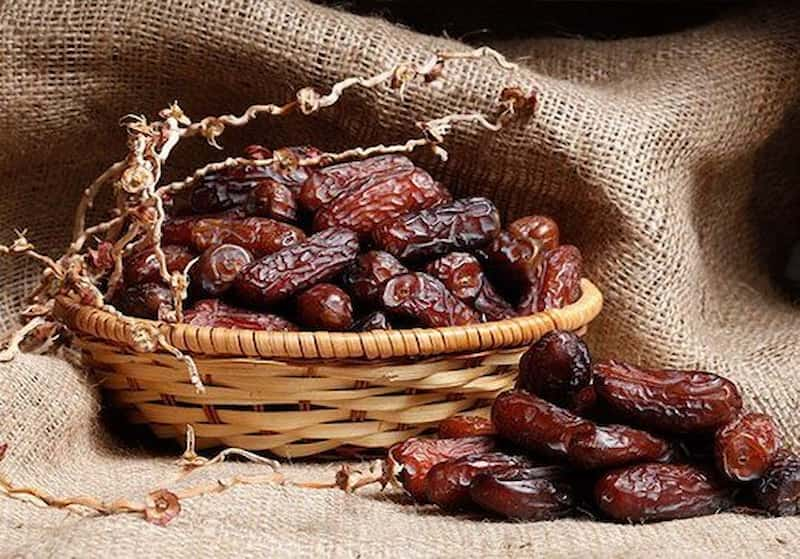
Most conversations about harga kurma stop at the price tag. But a growing part of that price is being shaped years before a box of dates ever reaches a Malaysian shelf — on the farm itself, where growers in date-producing regions are quietly adopting tools that change how consistently, and how sustainably, dates get grown.
Reading the Soil Before the Roots Do
Date palms are famously tolerant of heat, but they are far less tolerant of guesswork with water. Soil-moisture sensors buried at different root depths now let growers see, in real time, whether a block of palms is getting too little water (stressing the fruit) or too much (wasting a resource that is often scarce and expensive in desert farming regions). The data doesn't replace the farmer's judgment — it gives them a second set of eyes on something they used to have to estimate by hand or by habit.
Catching Problems Before They Spread
Date palms can carry diseases such as bayoud disease or fungal bunch rot that are difficult to see early and costly once they take hold of a plantation. Some farms are now trialling aerial imaging — flown by drone rather than satellite, since individual palms need to be resolved clearly — to flag discoloration or canopy stress patterns days or weeks before they'd be obvious to someone walking the rows. Early flagging means a grower can isolate or treat a handful of trees instead of losing a section of the orchard.
Water Is the Real Constraint
In most date-growing regions, water — not land or labour — is the tightest constraint on how much a farm can produce. Drip irrigation paired with timers and moisture data is now standard on newer plantations, and it's arguably done more for consistent yields than any other single change in the last two decades. It also matters for the fruit itself: dates grown under steady, well-managed irrigation tend to size and ripen more evenly, which is part of why grading standards (the difference between a jumbo Medjool and a smaller one) have become more consistent over time.
What This Means for the Fruit You Actually Buy
None of this shows up on a label, but it shows up in the fruit: fewer disease losses and steadier irrigation mean fewer wasted harvests, which is one of the quieter reasons why supply — and by extension pricing — has become somewhat more predictable for buyers further down the chain, including in Malaysia. If you're comparing Medjool date prices or trying to understand why some suppliers are more consistent than others, farm-level technology is one of the underlying reasons.
Technology hasn't replaced the grower — someone still has to decide what the sensor data means and act on it — but it has given date farming fewer surprises. For dates reaching Malaysian kitchens, that steadier supply chain is part of why quality has become more consistent even as demand grows.
Kurma Worth Knowing About
If you're curious how different origins and varieties compare once they reach Malaysian buyers, our guide to local and imported kurma is a good next read, alongside our look at how taste and texture vary by wholesaler and origin.