
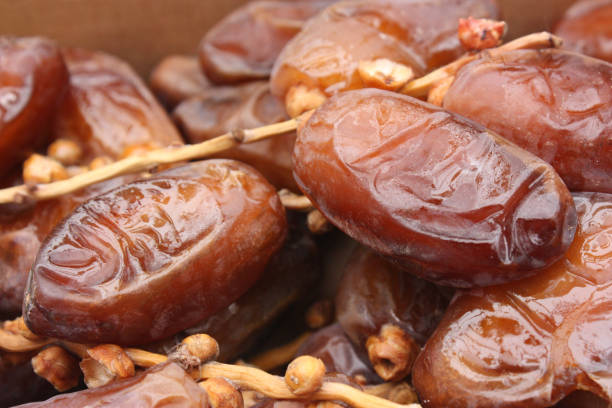
Customers occasionally walk into a Mariami-focused shop asking for "kurma madu," the way they might at Kurma Madu Malaysia. The honest answer is that Mariami isn't really what that name describes — and knowing why helps set the right expectation before someone buys the wrong date.
Where Mariami sits on the texture scale
Mariami is a semi-dry to firm variety, closer in feel to a good Piarom than to a truly moist Mazafati or Safawi. It has a caramel depth and a proper chew, but it doesn't have the soft, sticky give that "honey date" usually promises. Someone expecting that texture and getting a firmer Mariami instead may feel short-changed, even though nothing is wrong with the date itself.
Why the mix-up happens
"Kurma madu" has become a catch-all term in casual Malay for anything sweet and dark, not a strict description of moisture or variety. Mariami is sweet and dark. It just isn't sticky-moist the way the name implies, and a shop that only stocks Mariami is in an odd spot — close enough to the request to get asked for it, different enough that saying yes without explaining the texture sets up a disappointed customer.
What to say instead of just "yes" or "no"
The better answer is usually to describe the texture honestly and let the customer decide: firmer chew, deep caramel sweetness, holds its shape well in gift boxes and doesn't need refrigeration as urgently as a moist variety would. Our notes on using Mariami in cooking cover where that firmer texture actually works in its favour. For customers who specifically want the moist, sticky style, pointing them toward a variety comparison — this breakdown of taste and texture across varieties — is more useful than pretending Mariami is something it isn't.
Pricing the difference
Because Mariami doesn't carry the "madu" premium some sellers add for moist varieties, it often prices out more reasonably per kilogram for the quality on offer. Our pricing and grading guide puts that in context against the wider market.
The short version
Mariami is a good date on its own terms — it just isn't a honey date. Naming that clearly, rather than borrowing a term from a different style of date, is what keeps a specialist shop's reputation intact.