
Sooner or later every shop or hamper business that sells dates asks a few wholesalers for quotes. The quotes come back looking nothing alike. They use different names for the same fruit, different pack sizes and different delivery terms, and it is hard to see which is the better deal. The quickest way to find the best dates wholesaler in Malaysia for your business is to read those quotes line by line. Here is what each line should tell you.
The variety name and the country
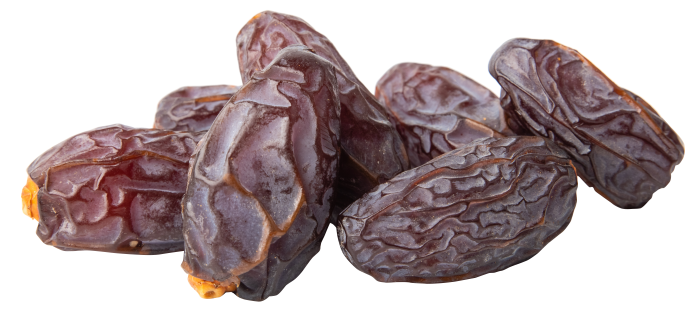
A good quote names the variety and the country of origin on every line. No dates are grown commercially in Malaysia, so everything on any price list here has been imported, and the origin should be written down. Mariami, the variety this site is named after, comes from Iran. It is a dark, semi-dry date. Some sellers list products as "Mariami Piarom". Piarom is a separate Iranian variety, so when you see a combined name, ask which fruit is actually in the carton. The same goes for any line that only says "premium dates" or "kurma import". Ask for the variety.
The grade
Grades such as A, AA, AAA and Jumbo are each importer's own size sorting. There is no international standard behind them, so one supplier's AA can be another's A. Ask what size range each grade covers and, if you can, get a sample of each. This site's piece on date prices and grading systems explains how grade affects what you pay.
Pack size and price per kilo
Quotes often mix cartons and retail packs, which hides the real gap between suppliers. Convert every line to a price per kilo before you compare anything. Before you call anyone, it helps to know how bulk pricing works for a diverse selection of date varieties. The wholesale price guide on this site explains why cartons usually cost less per kilo than retail packs. Then ask each supplier whether the per-kilo price drops at higher volumes, and where the break points sit.
Storage and delivery temperature
A quote should say whether stock travels chilled or at room temperature. Mazafati, often sold as kurma madu, is soft and high in moisture and needs refrigeration. It is cold-stored and sold all year, so finding it outside the season is normal. Ask how the supplier stores semi-dry lines such as Mariami, and whether the quoted price assumes chilled delivery. If one order mixes both, make sure the courier knows which cartons go in the chiller. The kurma madu article on this site covers that variety.
Minimum order and lead time
Check the minimum order, the lead time and who pays for delivery. For East Malaysia or long courier routes, ask how cartons are kept out of the heat in transit. Demand peaks before and during Ramadan and again for Hari Raya, so if you need a large supply of dates for that rush, get the quantity and delivery date confirmed in writing well before the month starts.
How long the price holds
Prices move with freight, the exchange rate and the season. Most Gulf and Middle-East dates are harvested from late summer into autumn, and new-season stock reaches Malaysia some weeks after that. A quote made just before new stock lands may not hold once it arrives. Ask for a validity date on every quote.
Putting the quotes side by side
Once every line is in the same terms (variety, origin, grade, price per kilo, storage, delivery, validity), the comparison usually becomes obvious. A search for "dates wholesaler Malaysia" will give you plenty of names. The ones worth calling back are those whose quotes answer all of these without being chased. If you also plan to cook with your stock, the article on using Mariami AA in Malaysian cooking is worth a read.