
A plan to lose weight can easily end up being all about food. Drinks get less thought, and alcohol carries energy that is easy to forget. This post looks at what the NHS says about calories in alcohol, and at two research papers on drinking and body weight. The wider health effects of alcohol are a separate subject, and the NHS covers them on its own pages.
Why a drink counts like food
The NHS puts it simply: alcohol contains 7 calories per gram, "which is almost as many as a gram of fat". Mixers such as cola or tonic water can add more on top. A 2015 review by Traversy and Chaput in Ottawa uses the same 7 kcal per gram figure and notes that this energy can add to weight gain if it is not compensated for.
The NHS calorie page lists these figures for common drinks:
| Drink | Calories (NHS) |
|---|---|
| Standard 175ml glass of 12% wine | up to 158 kcal |
| Pint of 5% strength beer | up to 222 kcal |
| Standard 275ml bottle of 4.5% alcopop | 154 kcal |
| Double measure (50ml) of 40% spirits | 100 kcal |
Small habits add up. By the NHS count, 4 bottles of 12% wine a month come to up to 32,400 kcal a year, and 5 pints of 5.2% lager a week come to 57,720 kcal a year.
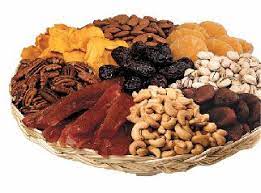
For a sense of scale, USDA FoodData Central lists Medjool dates at 277 kcal per 100g and a pitted Medjool date at 24g. So one 158 kcal glass of wine carries about the same energy as 57g of Medjool dates, a little under two and a half dates. Neither is "free" energy, and both are worth counting.
What a study of 14,971 men found
Researchers at Harvard followed men in the Health Professionals Follow-Up Study from 1986 to 2010 (Downer et al., 2017, PubMed 28940996). They compared changes in drinking with changes in reported weight across 44,603 four-year periods from 14,971 US men. Each extra drink per day was linked with 0.23 lb of extra weight gain over four years for total alcohol, 0.61 lb for regular beer and 0.28 lb for liquor. The results for wine and light beer were not statistically clear either way.
The authors called the gain "minor" and "unlikely to be clinically meaningful" at these levels. The biggest risk was among men who raised their drinking "to levels well above moderation". The weights were reported by the men themselves, and a study that follows people over time shows a link, not proof that the drinks caused the gain.
The Ottawa review reached a similar picture. Recent studies that followed people over time showed light-to-moderate intake was not linked with gaining body fat, while heavy drinking was more consistently tied to weight gain. The experimental evidence was mixed. The authors also point out that people who drink moderate amounts often may lead a healthier life in general, one that may itself protect them from weight gain.
Steps the NHS suggests
The NHS advice for people watching their weight is practical. Have a glass of water after every alcoholic drink. Do not drink on an empty stomach, and if you snack while drinking, pick a healthier option. Drinking in rounds can mean drinking more than you meant to, so drink at your own pace. Small sips help with pacing. With white wine, a splash of soda water makes the same number of units last longer. The NHS also suggests cutting down with a friend, for the moral support.
On amounts, the NHS advises men and women not to regularly drink more than 14 units a week, spread over 3 days or more. It calls that level "low risk" rather than safe, and suggests several drink-free days each week.
Swapping what you drink is one lever among several. A trial that swapped calorie-containing drinks for water or diet drinks is described in our post on simple weight loss and drink swaps, and two diet trials that ran a year or longer are covered in tips on losing weight fast.
If dates are part of your meals, the NHS counts a 30g portion of dried fruit, including dates, as 1 of your 5 A Day, eaten at mealtimes rather than as a snack between meals.
More about this site is on the About Us page and the contact page.